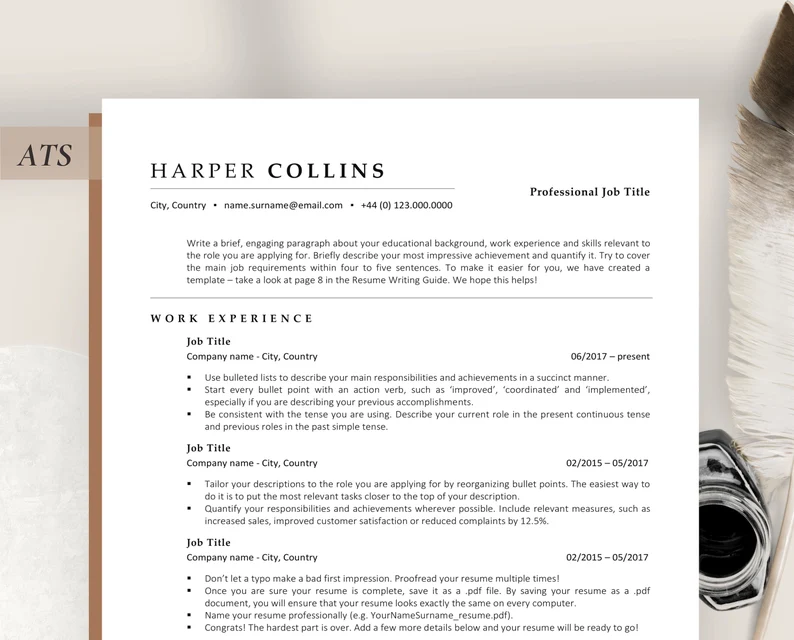
Writing a resume is often one of the first hurdles to overcome when applying for jobs. It’s not just a list of your work experience—it’s your personal marketing document, a tool that showcases your skills, accomplishments, and potential to a future employer. But where do you start? How do you craft a resume that stands out in a sea of applications? Don’t worry—we’ve got you covered. Here’s a simple, step-by-step guide on how to write a resume that will make you shine Or use our professional tool
1. Choose the Right Resume Format
Before you start writing, you need to decide which resume format suits your experience and career goals best. There are three main types of resumes:
- Chronological Resume: This is the most common format. It lists your work experience in reverse chronological order, with your most recent job first. Ideal for those with a solid work history in the same field.
- Functional Resume: This format focuses on your skills and accomplishments rather than your chronological work history. It’s perfect if you have gaps in employment or are changing careers.
- Combination Resume: This format blends both chronological and functional elements. It highlights your skills and accomplishments first, followed by a chronological listing of your experience. Great for those who want to emphasize transferable skills while still showcasing their work history.
Choose the format that best represents your strengths and experience.
2. Include Your Contact Information
This section should be at the top of your resume and easy to find. Here’s what to include:
- Full Name: Use your full name, not a nickname.
- Phone Number: Make sure your voicemail greeting is professional.
- Email Address: Use a professional email (i.e., yourname@gmail.com
- ). Avoid using your college email or anything overly casual.
- LinkedIn Profile: If you have a LinkedIn profile, include the link. Make sure it’s up-to-date and reflects your resume.
- Portfolio/Website (if applicable): If you’re in a creative field or have a personal website, include the link.
3. Write a Compelling Resume Summary or Objective
The summary or objective is a short, impactful statement that highlights your key qualifications and career goals. While not always necessary, it can be especially helpful if you’re changing careers or have a unique skill set. Here’s a quick breakdown:
- Resume Summary: This is a brief paragraph (2–3 sentences) summarizing your experience, skills, and key accomplishments. It’s perfect for those with some work experience. Example: “Results-driven marketing professional with 5+ years of experience in digital advertising, SEO, and social media management. Proven track record of increasing brand visibility and driving revenue growth through targeted campaigns.”
- Resume Objective: If you’re newer to the workforce or switching industries, an objective can describe your career goals and show how you hope to grow with the company. Example: “Motivated recent graduate seeking a position in marketing where I can apply my skills in content creation and digital media to help brands increase engagement and reach their target audiences.”
4. Highlight Your Work Experience
The work experience section is the meat of your resume. Here’s how to structure it:
- Job Title: Clearly list your title, e.g., “Marketing Manager” or “Software Engineer.”
- Company Name & Location: Include the name of the company and its location (city, state).
- Dates of Employment: Use the format “Month/Year – Month/Year” to show when you worked at each position.
- Job Responsibilities & Achievements: Focus on your key responsibilities, but don’t just list tasks—highlight measurable accomplishments. Use bullet points to make it easy to read.
For each job, focus on:
- Achievements: Quantify your accomplishments wherever possible (e.g., “Increased website traffic by 30% through targeted SEO strategies”).
- Skills: Highlight the skills you used or gained in each role, especially those that are relevant to the job you’re applying for.
5. Showcase Your Skills
The skills section helps employers quickly see if you’re a good fit for the job. Include both hard skills (technical abilities) and soft skills (interpersonal or communication abilities). Some examples:
- Hard Skills: Proficient in Adobe Creative Suite, SQL, Python, Microsoft Excel, SEO, etc.
- Soft Skills: Strong communication, leadership, problem-solving, time management, etc.
Tailor your skills to the specific job you’re applying for by carefully reading the job description and matching the keywords.
6. Education
If you have relevant academic credentials, list your education towards the bottom (or top, depending on your experience level). Include:
- Degree(s): Specify the degree, e.g., “Bachelor of Science in Marketing.”
- School Name & Location: Where you attended school.
- Graduation Date: Or your expected graduation date if you haven’t graduated yet.
- Honors (Optional): If you graduated with honors, include that information.
If you’re an experienced professional, your work experience will usually take precedence over education, but for recent grads, education may be more prominent.
7. Additional Sections to Consider
Depending on your field and experience, you may want to include additional sections, such as:
- Certifications: If you have industry-specific certifications, such as Google Analytics or Project Management Professional (PMP), list them.
- Volunteer Work: If you’ve volunteered in roles that demonstrate transferable skills, include them, especially if they’re relevant to the job.
- Languages: If you’re fluent in multiple languages, be sure to list them.
- Awards and Achievements: If you’ve won awards, such as Employee of the Year, include them to show your excellence in your field.
- Publications or Projects: For certain industries, listing any publications or notable projects can be a strong addition.
8. Tailor Your Resume for Each Job
A one-size-fits-all resume isn’t the best approach. Tailor your resume for each job you’re applying to by focusing on the key skills and experiences that align with the job description. Use keywords from the job posting to ensure your resume gets noticed, especially if the employer uses an Applicant Tracking System (ATS) to screen resumes.
9. Proofread and Edit
This is one of the most important steps! Typos or grammatical mistakes can give the impression that you’re careless or unprofessional. Before submitting your resume:
- Read it through multiple times.
- Use a tool like Grammarly to check for grammar errors.
- Have a friend or mentor review it for feedback.
10. Final Thoughts
Your resume is your first opportunity to make a great impression. Take the time to craft a document that truly represents your skills, experience, and value to potential employers. By following this guide, you’ll be well on your way to creating a resume that helps you stand out and land the job you want. Good luck!